Buy your weekday smoothies and get your weekend ones for free. (7 for the price of 5!)
WELLNESSWEEK

Internal herbal support for muscular aches, cold-damp pain, menstrual discomfort, and recovery soreness. Moves stagnation, supports circulation, and offers a gentler alternative to frequent OTC pain use
Du Yi Wei (Lamiophlomis Herba), Yan Hu Suo (Corydalis Rhizoma), Bai Zhi (Radix Angelicae Dahuricae)
Shipping. Free USPS shipping on US orders of $30 or more; below that, USPS rates are calculated at checkout. Priority Mail is $9. Orders are packed within 1 to 2 business days at our clinic in Albany, Oregon, and most arrive within 4 days. We also ship to Canada; rates are calculated at checkout.
Returns. Unopened items in their original packaging can be returned within 30 days for a refund of the product price. Return shipping is paid by the customer, and sale items are final sale. Damaged or defective? Contact us and we will make it right.
Not sure this is the right product for you? Call (541) 760-9670 or email will@valleyhealthclinic.com, Monday to Friday. You reach the clinic that uses these products, not a call center.
Internal herbal support for muscular aches, cold-damp pain, menstrual discomfort, and recovery soreness. Moves stagnation, supports circulation, and offers a gentler alternative to frequent OTC pain use
Du Yi Wei (Lamiophlomis Herba), Yan Hu Suo (Corydalis Rhizoma), Bai Zhi (Radix Angelicae Dahuricae)
Shipping. Free USPS shipping on US orders of $30 or more; below that, USPS rates are calculated at checkout. Priority Mail is $9. Orders are packed within 1 to 2 business days at our clinic in Albany, Oregon, and most arrive within 4 days. We also ship to Canada; rates are calculated at checkout.
Returns. Unopened items in their original packaging can be returned within 30 days for a refund of the product price. Return shipping is paid by the customer, and sale items are final sale. Damaged or defective? Contact us and we will make it right.
Not sure this is the right product for you? Call (541) 760-9670 or email will@valleyhealthclinic.com, Monday to Friday. You reach the clinic that uses these products, not a call center.
Every product is chosen by Will Sheppy, L.Ac., Dipl. O.M., for ingredient quality, traditional use and everyday usefulness.
We use it on patients in our Albany, Oregon acupuncture clinic before it earns shelf space.
Made in small batches by makers we know by name, with herbs graded well above the mass market.
Orders ship within 1 to 2 business days from Albany, Oregon. Free USPS shipping on US orders of $30 or more.
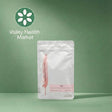
AoYi Tea is a traditional Tibetan Chinese herbal formula used for centuries to support the body's natural ability to relieve discomfort, move stagnation, and restore circulation.
Crafted with three clinic-proven botanicals — Du Yi Wei, Yan Hu Suo, and Bai Zhi — this blend is a powerful option for people who want something effective but prefer to avoid or reduce over-the-counter pain medicines.
AoYi works differently from conventional pain relief:
AoYi Tea may be an excellent option if you experience:
Traditionally the strongest pain-relieving herb in Tibetan medicine. This herb is why AoYi Tea feels fast and deep.
Backed by decades of research for natural pain support.
Bai Zhi lifts and disperses pain, balancing the deeper actions of the other herbs.
Every body responds differently, but many people describe:
Some feel it within minutes. Others experience cumulative benefits over days of consistent use.
Tip: For optimal results, enjoy daily as part of your wellness routine.
Visit our comprehensive AoYi Tea guide for in-depth information on the formula, its history, and how to get the most from your tea.
These statements have not been evaluated by the US Food & Drug Administration. This product is not intended to diagnose, treat, cure, or prevent any disease.
Start with our free Topical Guide, or go with what you feel. Topicals such as Evil Bone Water act fast on sore muscles, bruises and stiff joints; salves and balms stay on the skin longer; teas and herbal supplements support the body from the inside. Still unsure? Call the clinic at (541) 760-9670 or email will@valleyhealthclinic.com and a practitioner will point you the right way.
Will Sheppy, L.Ac., Dipl. O.M., the acupuncturist behind Valley Health Clinic in Albany, Oregon. Every product is used in the clinic before it earns shelf space, and we only carry small-batch makers whose ingredient quality we have checked ourselves.
US orders of $30 or more ship free by USPS. Below that, USPS rates are calculated at checkout. Priority Mail is $9 and usually arrives in 1 to 3 days. Orders are packed within 1 to 2 business days at our clinic in Albany, Oregon, and most arrive within 4 days. We also ship to Canada; rates are calculated at checkout.
Unopened items in their original packaging can be returned within 30 days of purchase for a refund of the product price. Return shipping is paid by the customer, and sale items are final sale. If something arrives damaged or defective, contact us and we will exchange it.
Topicals are for external use only. Keep them away from your eyes and off broken skin. If you are pregnant, nursing, taking prescription medication or managing a medical condition, check with your doctor or pharmacist before using any herbal product, topical or internal.
Yes. Licensed practitioners and clinics can order at wholesale pricing, shipped from our own shelves. Browse the wholesale store or apply for a wholesale account.